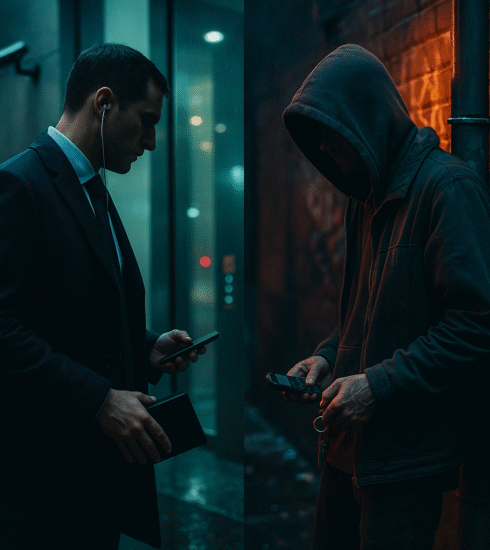

Two Factor Authentication Best Practices For Everyone
Two factor authentication represents the single most effective step you can take to secure your online accounts. It moves you beyond the fragile protection of a simple password, which can be stolen, guessed, or phished. The principle is straightforward, requiring two distinct forms of evidence to verify your identity before granting access. This typically involves something you know, like a password, and something you have, like a code from your phone.
Implementing this practice consistently across your digital life dramatically reduces your risk of account compromise. Understanding the different methods and their relative strengths is crucial for making informed security decisions. This guide will outline the best practices for
A password alone is a single point of failure. Two factor authentication adds a critical layer of defense. The rule is simple: if a service offers it, you must enable it without exception.
Understanding the Authentication Factor Hierarchy
Not all two factor methods provide equivalent security. They exist in a clear hierarchy based on their resistance to common attacks like phishing and SIM swapping. The weakest common method is receiving codes via SMS text message. While better than no second factor, SMS is vulnerable to interception through network exploits or social engineering attacks on your mobile carrier. This method should be considered a minimum baseline, not an ideal solution.
Authenticator applications generate time based codes directly on your device, eliminating the SMS vulnerability. Apps like Google Authenticator or Authy store the secret keys locally and produce new codes every thirty seconds. This method is significantly more secure as the code never travels over the cellular network. Push notifications from services like Duo are a user friendly variant of this, sending an alert to your phone for you to approve with a single tap.
Physical security keys represent the strongest category of second factor. These are small hardware devices, like those from Yubico, that you plug into your computer or connect via NFC. They use cryptographic protocols to prove your identity without transmitting a secret code that could be phished. Using a security key is the most robust way to protect high value accounts such as email, financial services, and password managers.
Strategic Implementation for Maximum Protection
Your primary email account is the most critical account to secure with a strong second factor. This inbox is often the central hub for password resets on all your other services. A compromise here can lead to a cascade of other account takeovers. If you only use one security key, it should protect your main email address. Follow this by securing your password manager and then your financial institutions.
Do not neglect less obvious accounts that could serve as a backdoor into your life. Social media accounts, cloud storage services, and even retail websites often store personal information or payment details. Attackers can use these platforms for social engineering or to gather intelligence for a broader attack. Enable the strongest form of two factor authentication available on every service that offers it, regardless of how trivial the service may seem.
Always generate and securely store backup codes immediately after enabling two factor authentication. These one time use codes are your lifeline if you lose your primary second factor device. Treat them with the same care as your passwords.
Managing Your Second Factor Devices
Redundancy is a core principle of operational security. You should never rely on a single device for your second factor authentication. If you use an authenticator app, install it on two trusted devices, such as your primary phone and a tablet you keep at home. This ensures you are not locked out of your accounts if one device is lost, broken, or stolen. Most authenticator apps allow for easy synchronization across multiple devices.
For those using security keys, always purchase and configure at least two identical keys. Keep one on your keychain for daily use and store the other in a secure location like a safe or safety deposit box. This practice guarantees continuous access to your accounts. When configuring a new account, register both keys simultaneously. This foresight prevents a frantic recovery process later and maintains your security posture without interruption.
Recognizing and Avoiding Phishing Attempts
A strong second factor is only effective if you do not inadvertently approve a fraudulent login attempt. Sophisticated phishing attacks can present fake login pages that capture your password and then immediately ask for your two factor code. If you enter the code into the malicious site, the attacker can use it to log into the real service before it expires. This attack bypasses even time based codes from authenticator apps.
Security keys provide inherent protection against these attacks through a process called phishing resistance. The key uses the website’s true domain name to create the cryptographic signature. If you are on a fake phishing site, the key will simply not work, alerting you to the fraud. This makes them superior for users who may be targeted by advanced threats. Always be suspicious of any unexpected login prompts and verify the URL in your browser’s address bar before authenticating.
Preparing for Recovery Scenarios
Account recovery is the inevitable weak point that attackers often exploit. Services will provide backup codes when you enable two factor authentication. Print these codes or save them in an encrypted file within your password manager. Do not store them in a plain text file on your desktop or in an email draft. Their purpose is to regain access if you lose all your other second factors, so they must be protected accordingly.
Some services offer alternative recovery methods, such as using a backup email address or phone number. Be extremely cautious with these options. Ensure your backup email is itself secured with strong two factor authentication. Avoid using SMS as a recovery method for high value accounts if a more secure option exists. Periodically test your recovery process to ensure it works as expected before you actually need it during a crisis.
Adopting two factor authentication is a non-negotiable aspect of modern digital hygiene. It is a simple habit that provides disproportionate defensive benefits. Start by securing your most valuable accounts with the strongest method available to you, then systematically work through the rest of your digital footprint. The minor inconvenience of entering a second code is insignificant compared to the catastrophic inconvenience of a hijacked account. Your digital identity is worth this small investment of time and effort.
Make a checklist of your important accounts and methodically enable two factor authentication on each one this week. Do not delay. The best time to add this layer of protection was years ago. The second best time is today.