
Darknet Safety: The Real Risks
I do not romanticize the hidden parts of the internet. I have seen bright people lose money, identity, and freedom because they thought they were invisible. The truth is that darknet safety is not a gadget or a browser setting, it is a sober risk choice. Most civilians do not need to go there and most who do go in for curiosity carry out more harm than insight. I will keep this clean, legal, and precise. I will map the real risks, the tells that signal danger, and the habits that keep you off the tracks when a train is coming.
The dark layer is not magic. It is just another set of servers run by people with goals. Assume every move is logged by someone and act accordingly.
The dark layer in plain terms
The dark layer is a segment of the internet reachable through special routing and software that aim to mask origin and destination. It is not a single place or a badge of elite status. It is a mix of forums, markets, dumps, and quiet rooms where people trade data and favors. Some parts are monitored by law enforcement and some parts are run by criminals who farm visitors for profit.
People confuse routing privacy with legal immunity. They are not the same. Privacy tools reduce exposure but they do not change the law, the morals, or the physics of a trace. A poor decision made behind a privacy tool is still a poor decision with consequences.
Curiosity can be healthy in the right frame. In the wrong frame it becomes a lure that pulls you into rooms designed to capture your device, your data, and your attention. I have debriefed clients who entered a forum for research and left with a compromised browser and a drained account. The cost is real and the lesson is simple.
How criminals bait normal users
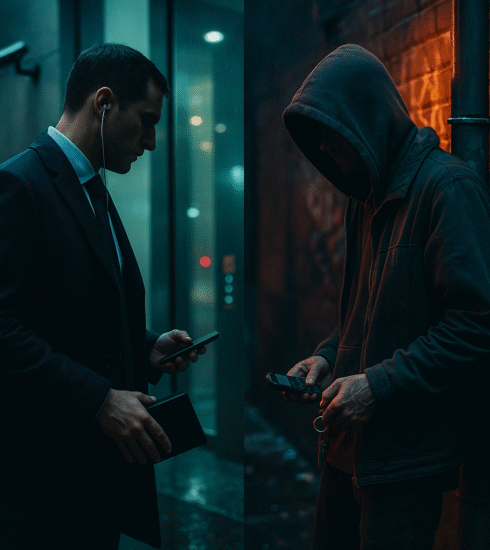
Criminals stage content to look like rare access. They promise leaked tools, private data, and insider notes. The goal is to make you click fast and disable caution. Once you click, scripts probe your device and your behavior for a path to money or leverage.
The most common hooks are free downloads that carry hidden payloads, login pages that harvest credentials, and escrow offers that never release funds. None of these need your name to hurt you. A session token or a wallet seed is enough. The rest of the damage comes from shame and delay as people try to hide their mistake.
Language is part of the trap. Posts are written to flatter the reader and to insult caution. The tone says only the bold get value. That tone is a tool, and your job is to spot it and step away.
If a page demands speed, slow down. If a page flatters you, get suspicious. Real value does not beg for clicks.
Operational risks that do not show on screen
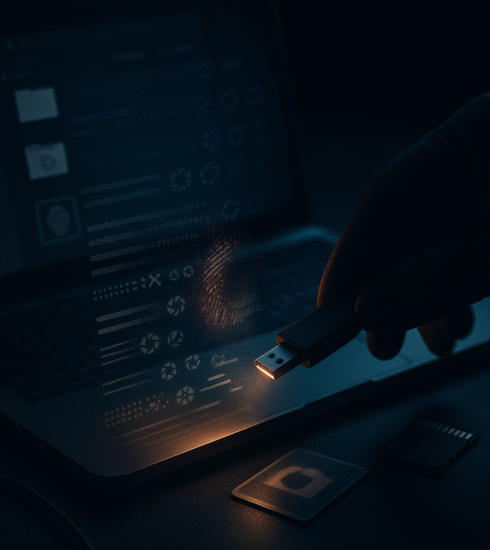
Routing privacy can fail in ways that are boring and lethal. Misconfiguration, leaks from other apps, and fingerprinting across sessions tie activity back to a person through simple correlations. A single login to a normal account in the same browser can undo a day of careful browsing. The fix is not bravado, it is discipline and restraint.
Your defense plan needs clear limits on purpose and time. If an objective does not demand entry, stay out. If you must review for a lawful reason, keep the scope narrow, use separate devices, and do not log in to personal services. That is the only form of darknet safety that deserves the name.
Recording tools are another risk that hides in plain sight. Many rooms capture content for internal leverage or later sale. Assume that screenshots, copy logs, and private messages can become public. Act as if a future legal process will read your words to a jury.
Financial traps and identity drain
Money moves are the fastest way to take harm from the dark layer. Wallets can be drained through fake approvals, smart contract tricks, and seeded downloads that watch your clipboard. Mixing services promise to clean funds then freeze them. Even reading price lists can mark your account in ways that cause later scrutiny.
Identity damage follows close behind. Email addresses, device fingerprints, and contact lists are harvested and cross matched with breached data. That data is then used for extortion and social engineering. I have seen criminals demand payment to avoid a dox that they never intended to do in the first place.
Recovery is slow because you must rotate passwords, revoke tokens, and explain events to banks and platforms that do not care about your intent. During that time your attention is trapped by a mess that did not have to exist. The best play is to avoid the contact entirely. Curiosity is cheap compared to the bill that arrives later.
Safer habits if you must observe
Start with purpose. If you cannot write the lawful reason for entry in one sentence, do not go in. If you can, limit time, isolate devices, and use accounts that do not touch your personal life. Treat every page as hostile until proven otherwise and keep darknet safety as a line you do not cross for ego or entertainment.
Isolation matters more than toys. A clean device with no personal accounts beats a clever stack on your daily laptop. Do not store anything sensitive on the same machine. Do not reuse passwords or recovery emails across any service.
Evidence and notes should never include downloads from untrusted sources. Use text only notes that avoid live links. Keep logs of times and pages for your own accountability. When the session ends, power down and do not bring the device back into daily life.
Signals that mean exit now
Exit when a page forces downloads, demands a new plugin, or spawns popups that you cannot control. Exit when a page asks for wallet approvals that you did not initiate. Exit when a private message pushes you to move outside of a platform to a random chat. Exit when the content shifts from observation to action.
Your internal signals matter too. If you feel rush, greed, or rage, step back. Emotional spikes are the handles that criminals grab. Calm is the only safe state in this space.
After exit, do not return to the same path to prove a point. Rotate your approach, clear storage, and scan the device. If you touched money, assume exposure and move funds to fresh wallets that you control.
Keep one rule. Curiosity does not beat discipline. Stay out if you do not have a lawful task, and if you must observe, enter narrow, exit fast, and leave no trace that follows you home.