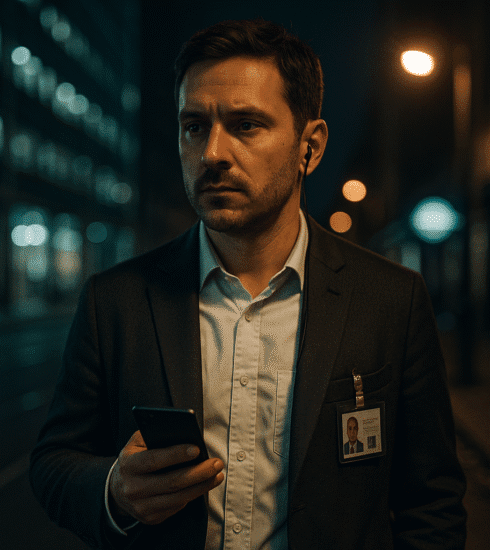

Gray Man Tactics For Daily Life
The Gray Man concept is about blending into your environment so completely that you become unremarkable and unnoticed. It is not about hiding but about avoiding attention in the first place. This skill is valuable for anyone seeking to move through daily life with a lower profile, whether for personal privacy or professional discretion. The goal is to become a passive part of the background, not a memorable feature of the scene. Mastering this requires careful attention to appearance, behavior, and movement. We will explore practical, lawful methods to apply these principles in urban and suburban settings. The essence of being a Gray Man is conscious observation and intentional mimicry of your surroundings.
The greatest weapon is anonymity. The goal is to be present without being perceived. Your success is measured by how little anyone remembers about you after you are gone.
The Psychology of Unremarkable Appearance
Your clothing is your first and most important tool for blending in. The objective is to dress in a manner that is completely average for your specific environment. This requires pre mission surveillance of the area to understand the local norms. In a financial district, this might mean a mid range business suit. In a suburban shopping mall, it could be common athletic wear and jeans. The clothing should be clean, in good repair, but show slight signs of wear to avoid looking new or out of place.
Avoid any clothing with logos, slogans, or distinctive patterns that can be easily remembered. Solid, muted colors are ideal as they are less memorable than bright or contrasting shades. Your shoes are critical, as trained observers often notice footwear. They should be appropriate for the setting and common among the population. The goal is to look like everyone else, not to express your personal style. Your appearance should not give anyone a reason to look twice.
Conducting Mundane Movement and Behavior
How you move through a space is as important as how you look. Your pace should match the flow of pedestrian traffic around you. Walking too fast signals urgency and draws attention, while walking too slow can make you appear lost or suspicious. Maintain a steady, purposeful gait that suggests you know where you are going without appearing rushed. Keep your head on a swivel for situational awareness, but avoid obvious or furtive scanning that can be picked up by others.
Your body language should be relaxed and neutral. Avoid nervous habits like fidgeting, repeatedly checking your phone, or adjusting your clothing. Do not make prolonged eye contact with strangers, but do not actively avoid it either. A brief, neutral acknowledgment is all that is required. When stationary, find a natural anchor point like a bus stop or a cafe table rather than loitering without purpose. Your behavior should be so ordinary it is boring.
Routine is the enemy of anonymity. Vary your routes and schedules slightly to avoid establishing a predictable pattern. Predictability makes you a target.
Managing Your Digital and Paper Trail
Your physical presence is only one part of the equation. Your digital footprint must also be managed to maintain a low profile. Use cash for small, everyday transactions whenever possible and practical. Loyalty cards and credit cards create a record of your location and purchases. If you must use a card, consider a pre paid debit card purchased with cash for routine expenses. This severs the direct link between your activity and your primary financial identity.
Be mindful of your smartphone. Its constant connectivity is a beacon for your location. Disable unnecessary location services for apps that do not need it. Consider leaving it in a faraday bag if complete radio silence is required for a period. When using it in public, avoid conducting sensitive conversations or accessing private information where you can be observed. The light from your screen can also attract attention in a dim environment.
Adapting to Shifting Environments
A true Gray Man can seamlessly transition between different social and geographic settings. This requires the ability to quickly read a new environment and adapt your appearance and behavior accordingly. The clothing that lets you blend in at a construction site will make you stand out at a corporate office. Carry a lightweight, packable layer like a common jacket or hat that can quickly modify your silhouette and help you match a new crowd.
Listen to the ambient noise and match your speaking volume to it. In a quiet library, be silent. In a loud sports bar, you can speak louder without drawing notice. Adopt the general posture and energy level of those around you. If people are relaxed and chatting, you can do the same. If the mood is tense and quiet, follow suit. Your ability to mirror the prevailing social tone is a powerful tool for remaining inconspicuous.
The Vehicle as an Extension of Self
Your car is a mobile identifier and must be chosen and maintained with the same principles in mind. The ideal vehicle is a common, mid range sedan or SUV in a common color like silver, gray, or white. Avoid flashy sports cars, distinctive classic cars, or vehicles with custom modifications. Keep it clean but not obsessively detailed. A slightly dirty car that is one of thousands on the road is far less memorable than a spotless one that stands out.
Park in the middle of parking lots, not on the edges where your vehicle is isolated and more visible. Avoid parking violations or anything that would cause your vehicle to be noted or ticketed. Remove any personal items from view inside the car, such as gym bags, paperwork, or distinctive air fresheners. The interior should be as neutral and generic as the exterior. Your vehicle should not provide any clues about who you are or what you do.
Maintaining a Secure Mental Baseline
Operating with a low profile requires constant, calm observation. This is not paranoia but a relaxed state of awareness. You should be noting exits, observing patterns of life, and identifying potential anomalies without appearing to do so. This mental process allows you to anticipate problems and avoid them before they develop. It is about proactive avoidance rather than reactive response.
Control your emotional responses. Anxiety, frustration, or anger can manifest in your body language and make you noticeable. Practice maintaining a neutral emotional state in public. If a situation begins to develop, your goal is to disengage and depart, not to become involved. The Gray Man is a ghost, not a guardian. His primary objective is his own seamless passage through the environment without incident or interaction.
These tactics are not for creating a false identity but for maximizing your natural privacy in everyday life. They are about exercising your right to move through the world without being tracked, profiled, or remembered unless you choose to be. It is a practice of subtlety and observation that enhances your personal security through invisibility. The most successful application of these principles results in nothing happening at all.
Start by consciously observing the next crowd you enter. Identify the average person. Then, strive to be that person. Your safety often depends on not being seen.