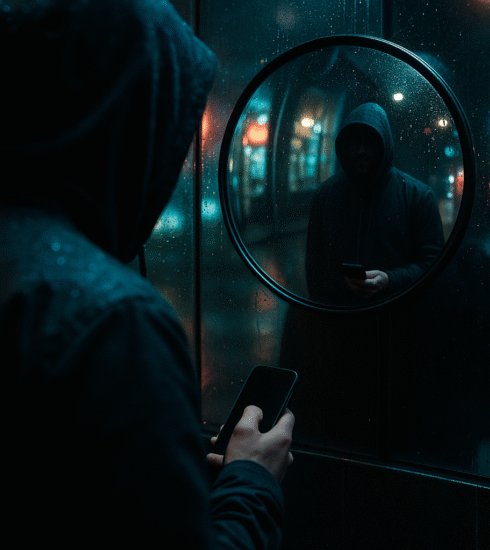

Personal Alarm Safety Guide For Everyday Use
Personal safety is a nonnegotiable aspect of daily life, requiring practical tools that are accessible and effective. A personal alarm is one such device, offering a simple yet powerful means of drawing attention and deterring a threat without physical confrontation. These units are legal everywhere, require no special training, and can be deployed in an instant by anyone. The core principle is using sound and light to create a disruptive event that shifts the advantage away from a potential aggressor. This guide will focus on selecting, carrying, and employing these devices for maximum effect within a lawful self defense framework. Understanding the proper use of a
A personal alarm is a force multiplier. It does not win a fight but can prevent one from starting. Your goal is to create noise, light, and confusion to disorient a threat and attract immediate assistance from others.
Selecting the Right Device for Your Needs
Not all personal alarms are created equal, and your choice should reflect your specific environment and concerns. The most effective models produce a sound pressure level of at least 130 decibels, a piercing noise that is physically uncomfortable and impossible to ignore. Many units combine this auditory alert with a blinding strobe light, which disorients an attacker and makes you a highly visible beacon for help. This combination of sound and light is significantly more effective than either feature alone.
Consider the device’s form factor and how you will carry it daily. Keychain models are popular for their accessibility, allowing you to have the alarm ready the moment you leave your vehicle or home. Others are designed as standalone units that can be clipped to a belt, bag, or worn around the wrist. The activation mechanism is critical; it must be easy to trigger under extreme stress but designed to prevent accidental activation that would cause a false alarm. Test different styles to find one that feels intuitive and secure in your hand.
Integrating the Alarm into Your Daily Routine
The best alarm is useless if it is buried at the bottom of a purse or left in a drawer at home. Your device must be immediately accessible the moment you feel threatened. For a keychain model, keep it on a separate ring that you can hold in your hand while walking to your car or through a parking garage. This allows you to have your keys ready for entry while also having the alarm primed for activation without fumbling. Make retrieving the alarm part of your standard preparedness ritual when transitioning between secure and public spaces.
Mental rehearsal is just as important as physical carry. Visualize scenarios where you might need to use the device and practice the motion of activation. This builds muscle memory so that your response becomes automatic under stress. Your alarm should be as familiar as your car keys or your phone. Regularly check the battery to ensure the device is operational. A monthly test, conducted indoors to avoid causing a disturbance, verifies that the unit is loud, bright, and ready.
Your alarm is not a secret weapon. Do not hide it until the last second. The moment you feel a potential threat, bring it to the ready. The visible presence of a safety device can be a deterrent in itself.
Strategic Deployment in a Threatening Situation
Timing and positioning are everything when activating your personal alarm. The goal is to create distance and attract help, not to escalate a confrontation. If you feel threatened but are not yet engaged, use the alarm preemptively while moving away from the potential threat. Point the strobe light toward the person’s face to maximize its disorienting effect. The shock of the noise and light often provides the precious seconds needed to create space and reach a safer location.
Once activated, do not turn the alarm off. Continuous sound and light draw attention and provide a clear audio beacon for anyone coming to assist. While the alarm is sounding, shout clear, direct commands like “Stay back!” or “Call the police!” This communicates to the aggressor that you are not a passive victim and informs bystanders exactly what is happening. Keep moving toward safety, such as a well lit area, a open business, or a group of people, while maintaining awareness of your surroundings.
Complementary Tools and Mindset
A personal alarm is a single component of a broader safety strategy. It should be paired with strong situational awareness, often called keeping your head on a swivel. Avoid immersing yourself in your phone when moving through transitional spaces like parking lots or public transit stations. Keep your hands free and your posture confident. Your alarm works best when it is part of a proactive mindset that prioritizes avoidance and early detection of potential threats.
Consider other nonconfrontational tools that complement the alarm. A high quality flashlight provides illumination for identifying hazards and can temporarily disorient someone in low light conditions. A whistle can serve as a simple backup if your primary device fails. The most important tool, however, is your voice. Practicing using a loud, commanding tone can break the freeze response and assert control in a startling situation. These elements together create a layered defense that keeps you safer.
Legal and Ethical Considerations of Use
Using a personal alarm is a perfectly legal act of drawing attention to yourself when you feel endangered. It is a defensive tool that does not cause permanent harm, making it appropriate for a wide range of situations. However, it is crucial to use the device responsibly. Knowingly creating a public disturbance as a prank or without a genuine belief of a threat could potentially lead to legal consequences for public nuisance.
The ethical use of the device is straightforward. Activate it when you have a reasonable belief that your safety is at risk. Trust your intuition. If a situation feels wrong, it probably is, and you are justified in taking steps to protect yourself. After the event, if law enforcement responds, provide a clear and concise statement about why you felt threatened and activated the alarm. You have every right to take lawful measures to ensure your own personal security.
Adopting a personal alarm is a smart, proactive step toward taking control of your personal security. It empowers you with an option that is always available and within the bounds of the law. The device’s true power lies not in its decibel level but in the confidence it provides, allowing you to navigate your world with greater assurance. Make the choice to add this simple yet effective layer to your everyday safety plan.
Select a robust model, integrate it into your daily carry, and practice its use. Your safety is worth the minimal investment and effort. This small device can make a critical difference when you need it most.